Opening a bank account in Kyrgyzstan
Foreign teachers can open a Kyrgyz account with a passport and a few forms. Here's what to bring, which cards to ask for, what they cost, and how to cope until your salary lands.
AbroadPin team6 min read
Contents
Opening an account in Kyrgyzstan is mostly paperwork you sign at the branch, not paperwork you chase around town. The national rules give foreigners the same rights as citizens when they open an account, though each bank still decides whether to take you on [1]. This page walks through what to bring, which cards and apps are worth having, what they cost, and how to manage until your first salary has somewhere to go. For pay, permits and hiring, read the main guide to teaching in Kyrgyzstan.
What banks ask a foreigner for
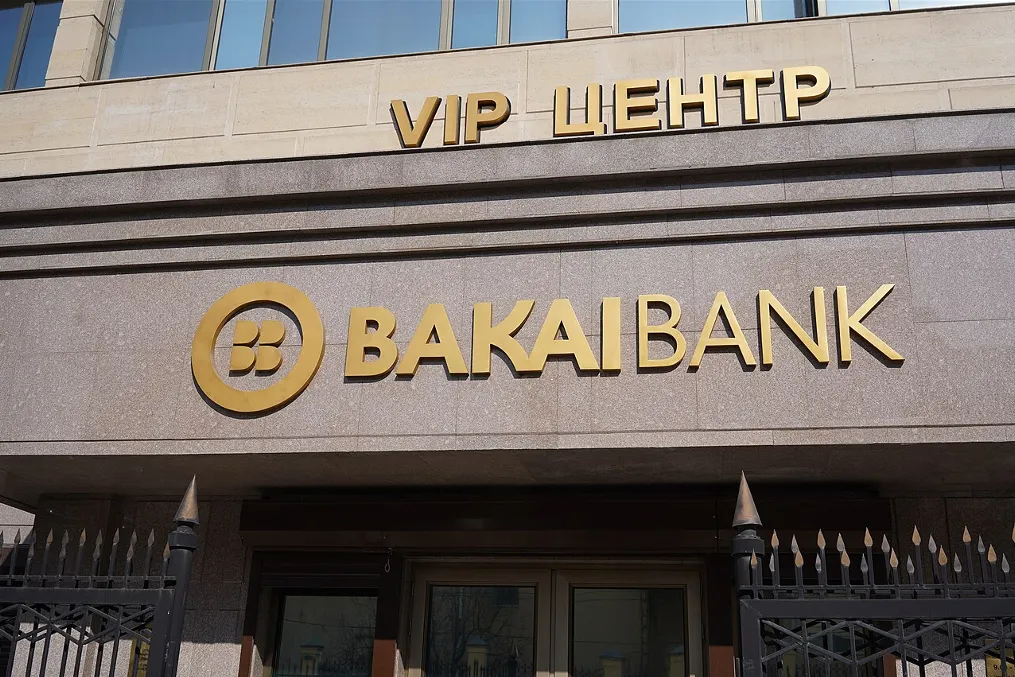
Bank lists vary a little, but they share a core. Bakai Bank publishes its list for non-resident individuals, and it's a good picture of what to expect [2]:
- A client form, which the bank gives you.
- An account application that you sign.
- A signature card, which records your signature for later checks.
- The agreement on opening and running the account.
- A copy of your passport, with the original shown so staff can compare.
- A copy of the paper that gives you the right to stay or live in the country, where one is needed.
The list has a note for short stays. If you're on a visa-free stay of no more than 60 days, Bakai asks for a copy of your entry stamp or another paper showing the day you arrived [2]. For citizens of Russia and Kazakhstan that limit is 90 days [2]. Once you have a permit, the stay document is the one to bring. The bank also says it may ask for more documents where the law or its own rules call for them [2].
Under the national instruction, the papers banks accept to identify a foreign citizen are a foreign passport or a Kyrgyz residence permit [1]. If a required document is missing or looks unreliable, the bank has to refuse the account [1]. So bring originals, not phone photos.
Papers worth carrying anyway
The lists we read don't name a work contract or a local phone number. Bring both anyway:
- Your work contract or a letter from your school. It answers the usual questions about where your money comes from.
- Your Single Permit or residence paper, once you have it. That's the document behind item 6 on Bakai's list [2].
- A Kyrgyz SIM in your own name. Apps that need a local number send their codes by text, and a data-only eSIM can't receive them [10].
Step 1: register where you live
Your address record matters to the bank as much as to the migration office. The UK Foreign Office says visitors staying more than 30 days must register online with the State Registration Service within 5 days of arriving, unless they leave before the 30 days are up [3]. If you're living in someone's property for more than 30 days, you and the owner both register [3].
If your school finds your flat, ask in your first week who does the registration and get a copy of whatever it produces. A bank clerk may want to see it next to your passport.
Step 2: choose a bank and a card
Getting a card is usually short work. At Baitushum Bank, for example, individuals show a passport or other ID, fill in an application and sign an agreement at any office, then pay the issue fee [4]. Some banks open multi-currency accounts too. FinanceCreditBank offers one in KGS, USD, EUR, RUB and KZT and says account maintenance is free [5].
Elcart, the local card
Elcart is the national card system, and it's the cheap everyday option. Fees differ a lot between banks, so compare before you choose. These figures come from each bank's own tariff page [6][7][8]:
| Bank | Issue | Yearly fee | Other costs |
|---|---|---|---|
| KICB | Free, or KGS 400 for urgent issue in 2 working days | Free in year one, then KGS 160 a year | KGS 350 minimum balance, SMS alerts KGS 60 a month |
| Eurasian Savings Bank (NFC card) | KGS 500, or KGS 700 urgent | Free | KGS 100 minimum balance, KGS 500 fee after 6 months with no use |
| Aiyl Bank | Free | KGS 100 a year | Not listed |
KICB says a standard card takes 7 business days in Bishkek and 10 in the regions [6]. Its own ATMs are free for cash, and other banks' ATMs inside the country cost 0.6% of the amount [6]. Eurasian Savings Bank also charges 0.6% at other banks' machines, and 0.4% at its own [7].
One thing to watch: KICB notes that it stopped issuing cards branded Elsom/Elcart on 1 January 2024, so check the exact product name when you apply [6].
Visa or Mastercard
Ask for an international card as well if you want to shop online or pay abroad. Banks such as Baitushum take online applications for Visa as well as Elcart cards [4]. Fees sit in each bank's separate tariff sheet, so ask the branch for the current one before you sign.
Paying day to day
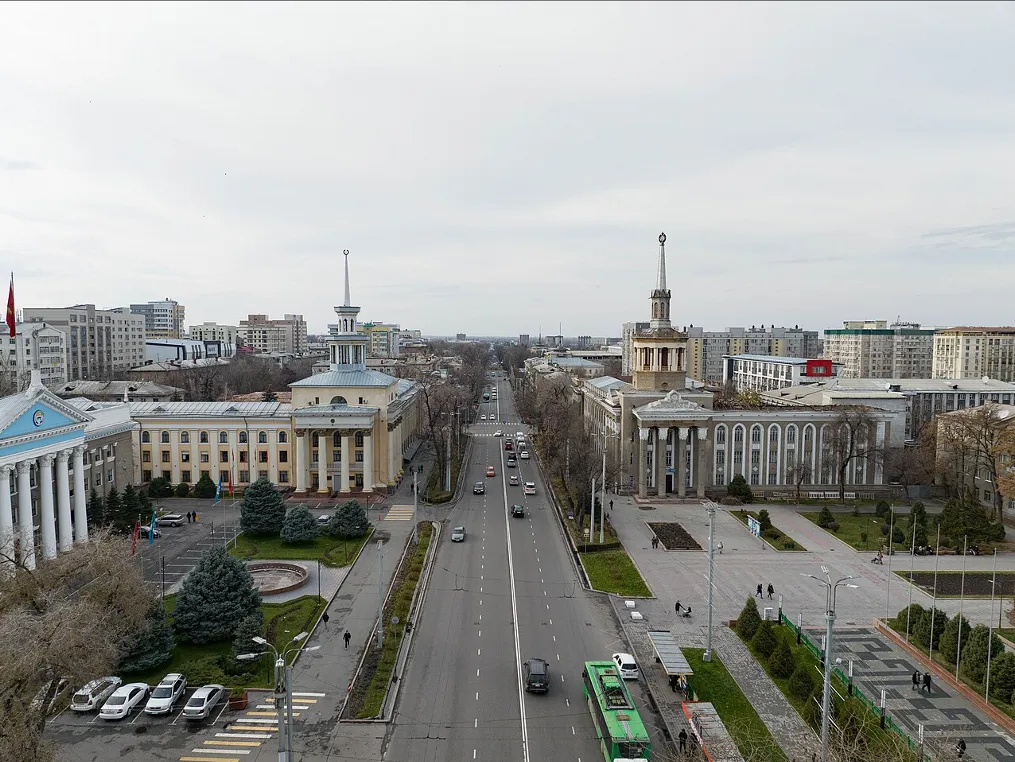
You'll still use cash more than you might at home. A travel guide checked in August 2026 says foreign Visa and Mastercard cards work at established hotels, supermarkets and restaurants in Bishkek, but bazaars, marshrutkas, taxis and small shops often want som in cash [10].
MBank and QR payments
Locals pay a lot by scanning QR codes in banking apps, and MBank's ELQR payments are widespread [10]. The app itself costs nothing: registration, the subscription and transfers by phone number are all free, with a daily limit of KGS 300,000 for payments and transfers [9].
The catch for teachers is sign-up. MBank says remote registration is only for citizens of the Kyrgyz Republic [9]. A foreigner may need identity checks in person, a local number, bank documents or a branch visit before the app works [10]. O!Dengi, the other big wallet, is tied to the local mobile network rather than to foreign cards [10].
So the usual order is: open the account and card at a branch, then ask staff to set up the app on your phone before you leave.
How long it takes
Signing the forms happens in one visit. The card is the slow part: at KICB a standard card takes 7 business days in Bishkek and 10 elsewhere, or 2 working days if you pay the urgent fee [6]. If a bank offers you a branch visit with identity checks in person, that's normal. The national rules require in-person identification unless the customer uses the remote procedure, which as published covers Kyrgyz citizens [1].
Getting paid before the account is open
Your first salary may arrive before your card does. Ask your school these questions before you fly, and get the answers in writing:
- Which bank does it pay staff through, and can you open your account there?
- Will someone from the school come to the branch with you in your first week?
- If your card isn't ready on payday, will the school hold the money or pay you another way?
Bring enough money from home to cover your first few weeks, partly in cash and partly on a card that works abroad. Foreign cards work in the larger shops and hotels, and you'll want som for everything else [10]. Once your Kyrgyz card arrives, give the account details to the school office straight away.
Your first weeks, in order
- On arrival: buy a local SIM in your own name and keep it.
- Within 5 days: make sure you're registered at your address if you'll stay beyond 30 days [3].
- Week one or two: visit a bank with your passport, your registration and your contract, and sign the account forms.
- While you wait for the card: use cash and your home card [10].
- When the card arrives: have the bank set up its app, and send your account details to your school.
Ready to look for work? See the open teaching jobs in Kyrgyzstan and apply to schools directly.
See jobs in Kyrgyzstan
No live jobs in Kyrgyzstan right now. New pins go up every day.
Sources and photo credits
- 1.whereTOemigrate, Banking in Kyrgyzstan: expat guide 2026, summarising the National Bank's account instruction (updated 7 October 2026)
- 2.Bakai Bank, documents to open a current account for non-resident clients (undated, read 5 November 2026)
- 3.UK Foreign Office, Kyrgyzstan entry requirements (read 5 November 2026)
- 4.Baitushum Bank, Elcart payment cards for individuals (undated, read 5 November 2026)
- 5.FinanceCreditBank, opening an account for individuals (undated, read 5 November 2026)
- 6.KICB, tariffs for issue and maintenance of the Elcart local card (undated, read 5 November 2026)
- 7.Eurasian Savings Bank, national payment card Elcart (undated, read 5 November 2026)
- 8.Aiyl Bank, Elcart for individuals (undated, read 5 November 2026)
- 9.MBank, the MBANK app (undated, read 5 November 2026)
- 10.Bento Travel, paying in Kyrgyzstan (data checked August 2026)
Photos
- The sign over a Bakai Bank office in Kyrgyzstan.: Zarema Sultan, CC BY-SA 4.0, via Wikimedia Commons
- Chuy Avenue in central Bishkek, seen from above.: Nikolai Bulykin, CC BY-SA 4.0, via Wikimedia Commons
Get new jobs in Kyrgyzstan by email
One email a week with the jobs added since the last one. Free, with no account.
Nothing is sent until you open the link we email you. Choose a role, a pay level or daily emails
We use your address only to send the alerts you ask for, and every email has a one-click unsubscribe link. The privacy notice says how long we keep it, and the terms of use cover the alerts.
We check this guide again by February 3, 2027. Rules change, so confirm visa steps with the embassy and your school before you go. First published November 5, 2026. Spotted something out of date? Tell us. How we write these guides.