Getting a phone number and SIM in Panama
A Panamanian number gets your bank, your school and your landlord talking to you. Here's who sells lines, what to bring, how prepaid works, and how to switch carriers or hold on to your number from home.
AbroadPin team8 min read
Contents
Getting a phone line in Panama is one of the easier jobs on your arrival list. There are only two networks to choose between, both sell prepaid lines, and moving your number from one to the other is free and quick. Carrier offers change often, so this page flags where you'll need to ask in a store. For pay, the residence permit and the MITRADEL work permit, start with the main guide to teaching in Panama.
Who runs the networks
Panama's mobile market has shrunk in the last few years, and older blog posts still talk about four carriers. Here's how it looks now.
- Tigo. Millicom bought Telefónica's Central American networks in 2019, so the old Movistar brand is gone and its customers are now on Tigo [6].
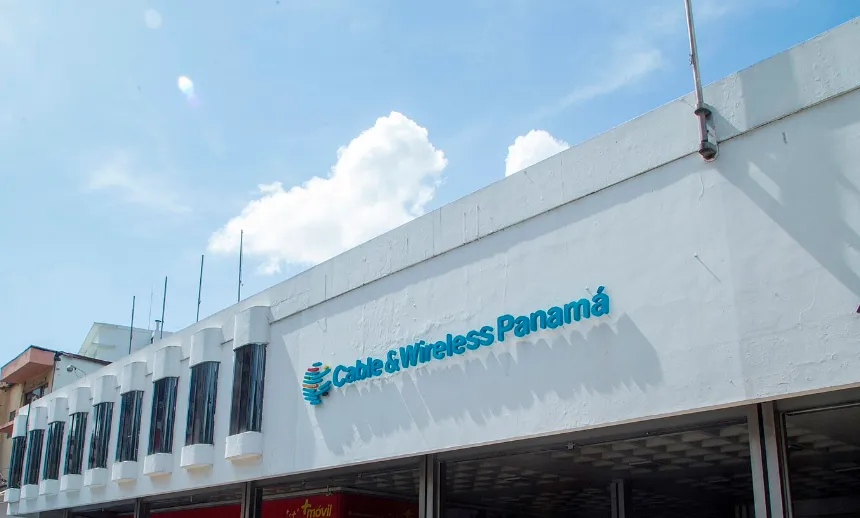
- +Móvil. This is the brand of Cable & Wireless Panamá, which bought Claro Panama on 15 September 2021 and then moved Claro's customers onto its own network [6]. When the merger was approved, Newsroom Panama reported that the government would hold a 49% stake in the merged company [4].
- Digicel. It announced in March 2024 that it was closing in Panama, and gave customers about a month to move their lines elsewhere [4]. If someone hands you an old Digicel SIM, it won't work.
Newsroom Panama describes Tigo and Cable & Wireless as a duopoly serving more than 5 million active lines [5]. The regulator, ASEP, opened a tender in June 2026 for a third mobile operator, with final bids due in late December 2026 and the winner expected to start in the third quarter of 2027 [5]. Until then, you're choosing between two networks. Coverage matters more than price if you'll teach outside Panama City, so ask colleagues at your school which network works where they live and work.
ASEP regulates telecoms under Law 31 of 8 February 1996 [3]. Its user service office, the Dirección Nacional de Atención al Usuario, takes complaints about phone and internet services if a carrier doesn't sort out a problem [7].
Before you leave home
- Free your phone from its carrier lock. A phone tied to your home carrier won't take a Panamanian SIM. Ask your carrier to remove the lock before you fly.
- Find out if it takes an eSIM. A phone with eSIM support can hold your home line and a local one at the same time.
- Move your security codes. Your home bank, email and tax accounts may text codes to your current number. Switch what you can to an authenticator app now.
- Note your phone's IMEI. You'll find it in the phone's settings or on the box. Carriers use it to check a phone isn't reported stolen or lost (see below).
Your first week: a prepaid line
Prepaid, called prepago, is where most newcomers start. You top up as you go, there's no contract, and you can change your mind later.
Where to buy
A community wiki that tracks prepaid SIMs says Tigo hands out SIMs free in its own stores, and +Móvil sells a starter pack it calls the kit +móvil in its stores and many other shops [6]. It adds that self-service machines at Tocumen airport sell SIMs at higher prices than you'll pay in town, and that prices carry 7% sales tax [6]. A carrier's own store is the best first stop, since staff can set up the line and answer questions.
What to bring
Bring your passport. We couldn't find a carrier or ASEP page that sets out the ID rules for a new prepaid line, so ask the store what it needs before you pay. It's worth asking for the line to be put in your own name. ASEP's rules for moving a number between carriers ask a foreigner for a passport copy, so a line that's clearly yours is simpler to move or recover later [1].
Setting it up, step by step
- Go to a Tigo or +Móvil store with your passport and your phone, free of any carrier lock.
- Ask for a prepaid line in your name and say you'll want mobile internet as well as calls.
- Pick a package and check how many days it lasts, since that varies a lot between packages.
- Make a test call and load a web page before you leave the counter.
- Keep the receipt and write down your new number somewhere outside the phone.
- Find out how to top up: in the carrier's app, in the store, or with refill cards sold in shops.
What prepaid costs
We couldn't read Tigo's or +Móvil's own websites when we tried on 5 November 2026, so we can't give today's official prices. The community wiki listed these packages when we read it the same day [6]. Treat them as a rough guide only, since packages change often and the wiki may be behind:
| Carrier | Package | Price |
|---|---|---|
| +Móvil | Plan Siempre: 1.5 GB, 300 minutes to +Móvil numbers, 30 days | B/. 10 |
| +Móvil | 2 GB of mobile internet, 30 days | B/. 14.99 |
| Tigo | Preplan Recurrente: renews every 7 days | B/. 5 |
| Tigo | 1.1 GB plus WhatsApp, 7 days | B/. 5 |
Source for every row: Prepaid Data SIM Card Wiki, read 5 November 2026 [6].
Two things to watch. Weekly packages that renew by themselves can add up to more over a month than a monthly package, so compare what you'd pay in a full month. And prices written in balboas (B/.) are paid in US dollars, the currency Panama uses day to day, so you won't need to change money.
Tigo sells refill cards for B/. 2, 3, 5, 10 and 15, according to the wiki [6].
eSIM and monthly plans
We couldn't confirm either carrier's eSIM offer from its own pages, so ask in the store whether your phone model can take a Panamanian eSIM. If you'd like a working connection the moment you land, a travel eSIM bought before you fly can cover the first few days, but it usually gives you mobile internet without a local number.
Monthly plans, called pospago, suit teachers once they've settled. ASEP says a line can be switched from prepaid to postpaid and back [2]. If you sign a contract that came with a discounted phone, you can cancel at any time, but you'll pay what's left of that phone discount [2]. Ask the store what ID and proof of income or address it wants for a contract, since this differs from one shop to the next.
Why a local number matters
A travel eSIM keeps you online, but a Panamanian number does things it can't.
- Banking and Yappy. Banks want a local contact number, and Yappy, the payment app many people use to split bills and pay small shops, sends money by mobile number. Our guide to opening a bank account in Panama covers this.
- Work. Your school, your coordinator and your private students will expect to reach you on WhatsApp with a local number.
- Housing. Landlords and agents call or message about viewings, deposits and repairs.
- Deliveries and taxis. Couriers and ride apps phone you when they can't find the door.
Moving your number between carriers
Number portability is run under ASEP's rules, and you can switch as often as you like [1]. It only works mobile to mobile and fixed to fixed, but a mobile number can move anywhere in the country [2].
For a prepaid line, ASEP's list is short [2]:
- Your ID card, or your passport if you're a foreigner.
- A signed request form.
- The NIP, a code your current carrier sends you by text for free.
- A new SIM from the carrier you're moving to.
Postpaid customers also need their last paid bill and must have nothing left to pay [2]. Whichever kind of line you have, your phone mustn't be listed in the database of stolen or lost phones [1]. That's also a good reason to be careful with second-hand phones: ask the seller for the receipt, and ask the carrier to check the IMEI before you hand over money.
A few details from ASEP's question-and-answer page [2]:
- Timing. A mobile request filed on a business day during office hours is completed in under 24 hours [2]. The switch itself happens between 1 and 3 in the morning on business days [2].
- Cost. The move is free, but every active line pays a monthly charge of B/. 0.03 under Law 70 of 2009 [2].
- Your balance. Spend your prepaid balance or pass it to someone on the same network first, because whatever is left is lost when the number moves [2].
ASEP's question-and-answer page is dated 9 July 2018, so check the details at the store if something seems different [2].
Keeping your number from home
Your home number is the one your old bank, your tax office and your family know. Some ways to hold on to it:
- Ask about a low-cost plan. Many carriers have a cheap plan or a way to keep a number while you're abroad. Ask what it costs and whether texts you receive overseas are charged.
- Run two lines on one phone. Keep your home line on the physical SIM and add the Panamanian line as an eSIM, or the other way round, and turn off mobile internet on the home line so it doesn't run up roaming charges.
- Watch for closure rules. Some carriers shut down numbers that go unused for a long time, so use yours now and then if that applies to your plan.
Your first months, in order
- Before you fly, have your phone freed from its carrier lock, check for eSIM and move your security codes off your home number.
- In your first days, buy a prepaid line in a Tigo or +Móvil store with your passport.
- Give the new number to your school, your landlord and your bank, and set up Yappy once your account is open.
- After a few weeks, check which network works best where you live and teach, and move your number if it doesn't.
- Once you're settled, think about a monthly plan.
When your phone is sorted, have a look at the open teaching jobs in Panama.
See jobs in Panama
No live jobs in Panama right now. New pins go up every day.
Sources and photo credits
- 1.ASEP, Panama's public services regulator, number portability (page dated 20 April 2022, read 5 November 2026)
- 2.ASEP, number portability questions and answers (page dated 9 July 2018, read 5 November 2026)
- 3.ASEP, National Telecommunications Directorate (read 5 November 2026)
- 4.Newsroom Panama, Digicel closes operations in Panama (20 March 2024)
- 5.Newsroom Panama, Panama opens the bidding for a third mobile phone operator (9 June 2026)
- 6.Prepaid Data SIM Card Wiki, Panama (read 5 November 2026)
- 7.ASEP, telecommunications services and user complaints (read 5 November 2026)
Photos
- Cable & Wireless Panamá's head office on Vía España.: Cable & Wireless Panamá, CC BY-SA 4.0, via Wikimedia Commons
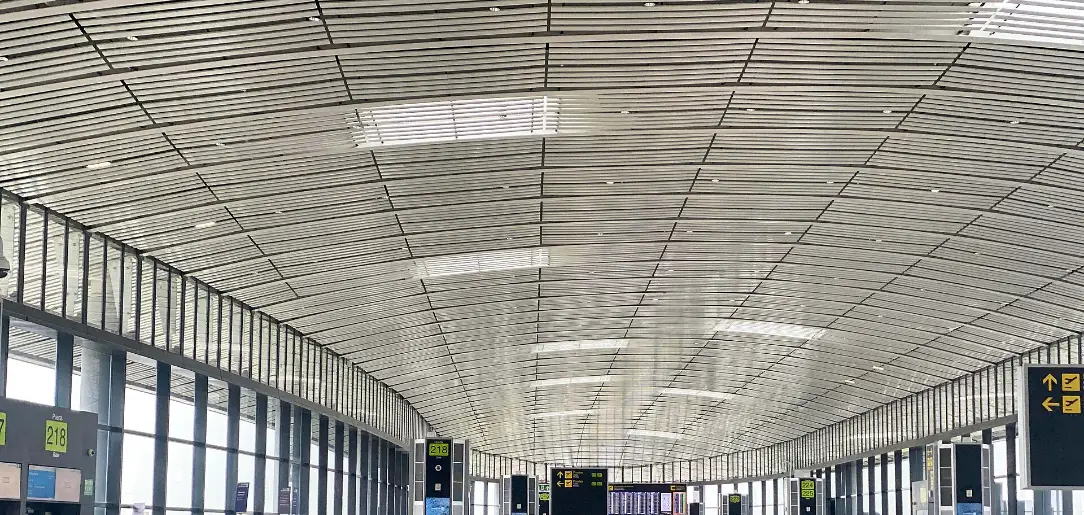
- The departure gates area in Terminal 2 at Tocumen International Airport.: EEJCC, CC BY-SA 4.0, via Wikimedia Commons
Get new jobs in Panama by email
One email a week with the jobs added since the last one. Free, with no account.
Nothing is sent until you open the link we email you. Choose a role, a pay level or daily emails
We use your address only to send the alerts you ask for, and every email has a one-click unsubscribe link. The privacy notice says how long we keep it, and the terms of use cover the alerts.
We check this guide again by February 3, 2027. Rules change, so confirm visa steps with the embassy and your school before you go. First published November 5, 2026. Spotted something out of date? Tell us. How we write these guides.