Teaching English in Japan
Japan pays steadily, runs on an April school year and is fussy about paperwork. Here's what the main employers actually pay, what the visa takes, and the costs nobody mentions until your first payslip.
AbroadPin team6 min read
Contents
Japan at a glance
| Typical pay | About ¥2.4 to ¥3.0 million a year at a big ALT company, ¥4.02 million on JET |
|---|---|
| Degree | A bachelor's is the normal route for the visa and for JET |
| Visa | Instructor (schools) or Engineer/Specialist in Humanities (language companies) |
| School year | April to March, with JET arriving in early August |
| JET 2027 deadline | US: 13 November 2026. UK: 5 November 2026 |
| Rent gap | Central one-bed: ¥198,132 in Tokyo vs ¥74,645 in Fukuoka (Numbeo) |
The four main ways in
Most people teaching English in Japan end up in one of four places.
- The JET Programme. The government program that places Assistant Language Teachers (ALTs) in public schools, plus a smaller number of coordinators. Best pay of the entry-level options and you apply from home.
- ALT dispatch companies. Companies like Interac hire ALTs and place them in public schools under contract with local boards of education. Easier to get than JET, lower pay.
- Eikaiwa. Private English conversation schools like ECC, AEON and NOVA. Evenings and weekends, mostly adults and kids after school.
- Universities. Part-time and fixed-term full-time lecturer jobs. These usually want a master's degree and some publications or experience.
There are also direct-hire ALT jobs posted by city boards of education, and private and international schools. Those come and go, so check the live jobs at the bottom of this page.
What it pays
These are the figures the employers publish themselves, before tax.
| Employer | Published pay |
|---|---|
| JET Programme | About ¥4,020,000 in year one, ¥4,140,000 in year two, ¥4,260,000 in year three, about ¥4,320,000 in years four and five (2026 guidelines) |
| Interac (ALT company) | About ¥2.4 to ¥3.0 million a year, paid in equal monthly amounts |
| ECC (eikaiwa) | ¥280,300 a month for a 35-hour week |
| AEON (eikaiwa) | ¥275,000 a month starting (from a Go Overseas listing, not AEON's own site) |
| NOVA (eikaiwa) | ¥1,452 to ¥1,952 per 40-minute lesson, for example ¥260,000 for 40 lessons a week |
| Rikkyo University, full-time contract lecturer | ¥5,637,000 in the first year (April 2027 start) |
| Toyo University, full-time contract lecturer | ¥6,000,000 a year before tax |
A few things the table doesn't show:
- Interac pays the same amount every month, including summer, and its contracts usually run 1 April to 31 March. It says most of its teachers are enrolled in social insurance.
- NOVA hires teachers as independent contractors on six-month renewable contracts. Ask what that means for your health insurance and pension before you sign.
- University part-time work is paid per class, often called a koma. Rates vary a lot by school. Our current Japan pins include part-time posts paying roughly ¥25,000 to ¥36,000 a month for each weekly class.
The JET Programme, step by step
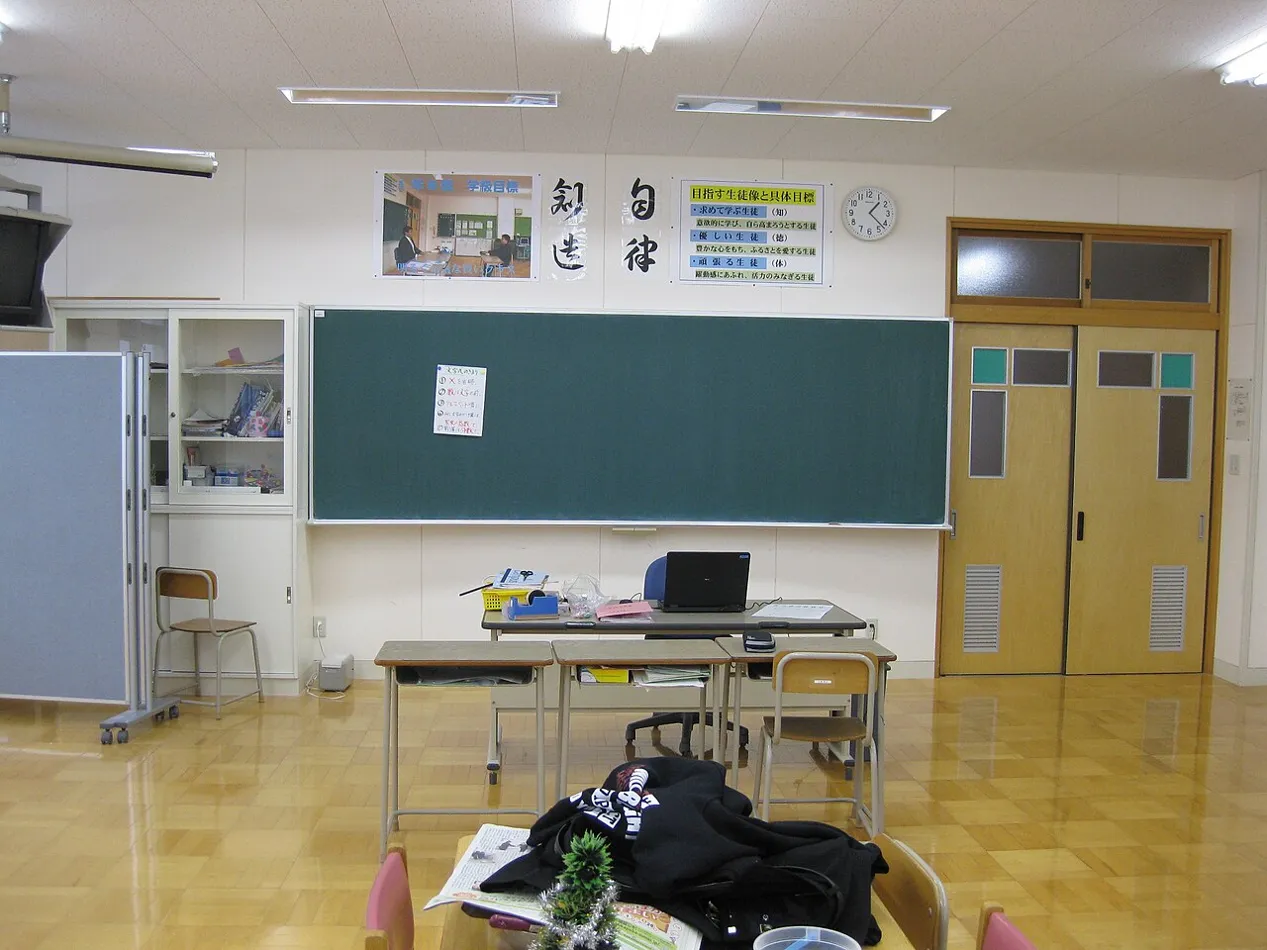
JET is the one most people ask about, so here's the short version from the 2026 guidelines and the 2027 recruitment pages.
- Who can apply. You must be a national, not just a permanent resident, of the country you apply from. If you also hold Japanese nationality you have to apply to give it up by the reply deadline.
- Degree. You need a bachelor's degree or higher by your arrival date. For the US 2027 intake, that means by 25 June 2027. (ALTs can instead have a certificate from a teaching course of three years or longer.)
- Deadlines for 2027. The US application closes Friday 13 November 2026. The UK application closes 5 November 2026. Other countries set their own dates, so check your local Japanese embassy page.
- Timeline. US first-round results usually come out in January. The main group arrives in early August (it was 2 August in 2026), and some people go early in April.
- Contract. One year, renewable up to three years in total, or five in exceptional cases.
The visa
You can't teach on a tourist entry. The employer, or someone acting for it in Japan, applies for a Certificate of Eligibility (COE) for you. You take that COE to the Japanese embassy with your passport, one application form and one photo, and the visa is issued. Without a COE, Japan's foreign ministry says processing can take several months.
There are two visa types you'll hear about:
- Instructor. For teaching at elementary, junior high and high schools, such as a language instructor at a high school or junior high. ALTs in public schools generally get this one.
- Engineer/Specialist in Humanities/International Services. This covers language teachers at private companies, which is where eikaiwa teachers usually land.
Both come with a period of stay of 5 years, 3 years, 1 year or 3 months, and you get a residence card when you arrive.
On degrees: a bachelor's is the normal route. An immigration law firm we read says the Humanities visa can be granted with three years of experience instead of a degree for language teaching, and that graduates skip that experience rule. We couldn't find that wording on the Immigration Services Agency's own site, so if you don't have a degree, check with your employer before you count on it.
What comes out of your pay
This part catches people out.
- Pension. If you're on the National Pension, it's ¥17,920 a month for fiscal 2026. Company employees pay into the employee pension through their employer instead.
- Health insurance. Either through your employer's social insurance (shakai hoken) or the National Health Insurance at your city office. JET participants must join a mutual aid association that works as their health insurance.
- Resident tax. You pay it to the city you were registered in on 1 January, based on what you earned the year before. The bill shows up in early June. That's why your second year feels poorer than your first: in year one there's nothing from the year before to tax.
- Moving in. A deposit (shikikin) and key money (reikin) are each usually one or two months' rent, though some places skip the key money. Add an agent's fee of a month's rent, the first month's rent and a guarantor. Many ALT and eikaiwa jobs help with housing, so ask.
Cost of living
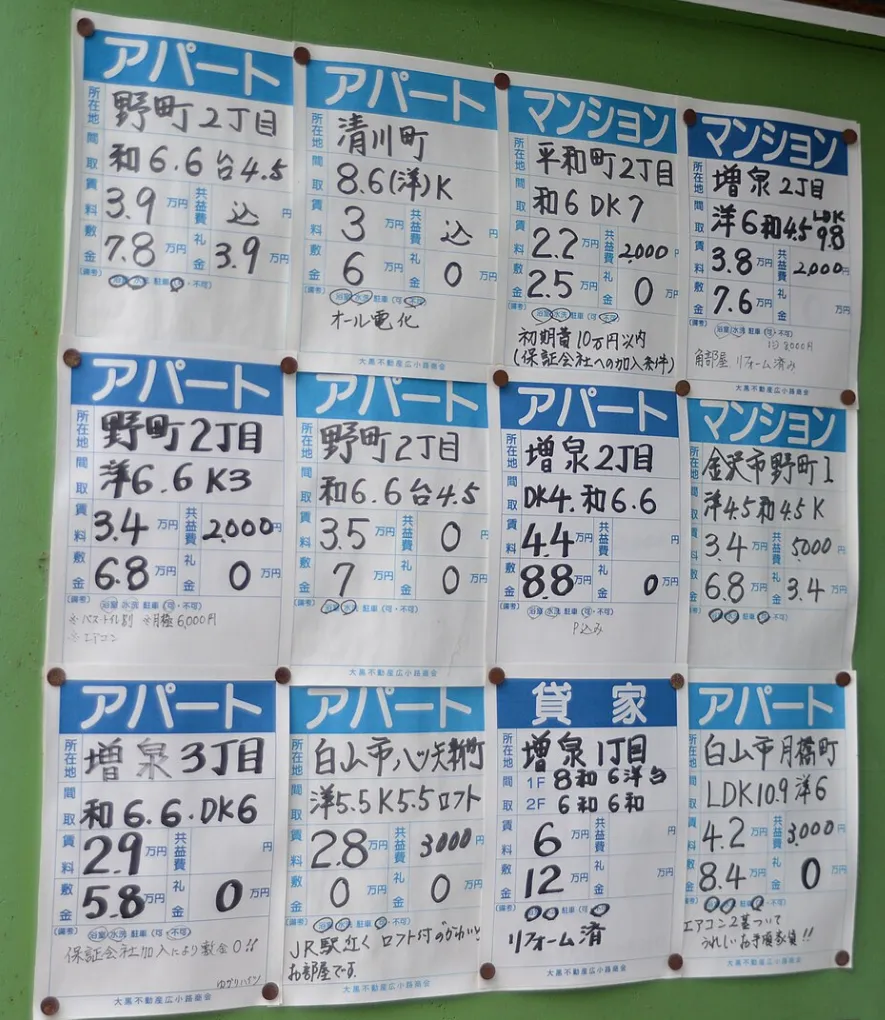
Tokyo rent is the big number. Numbeo puts a one-bedroom flat in central Tokyo at ¥198,131.58 a month against ¥74,645.38 in central Fukuoka, so Tokyo rent is about 130% higher. Everything else is closer: Tokyo is about 9.5% dearer than Fukuoka once you leave rent out.
Most ALT placements aren't in Tokyo, which is good news for your savings.
When to apply
Japan's school year runs April to March. That shapes everything:
- Interac hires all year but most of its teachers start in April.
- JET applications close in November for arrivals the following August.
- Most university contracts start in April, with a few in September.
- Eikaiwa chains hire year round.
If you want an April start, start looking in the autumn before.
Red flags
- Unpaid summers and odd contracts. The Tozen union has reported dispatch companies being paid for August by a board of education but not paying the ALT for August. Get the monthly pay for all twelve months in writing.
- No social insurance. The same union has flagged employers not enrolling staff in the health insurance the law requires. Ask directly whether you'll be enrolled in shakai hoken.
- Contracting dressed up as dispatch. A JALT article argued that some ALT outsourcing contracts are illegal, because the ALT ends up taking direction from school teachers the contract says they don't work for. In 2010 a labour bureau found one ALT contract in Aichi was false and ordered direct hire, according to the General Union. These cases are old, but in December 2025 the same union was still pushing for direct employment of dispatched ALTs in Kyoto.
None of this means avoid ALT companies. It means read the contract, and ask about August, insurance and who your actual employer is.
See jobs in Japan
- English Teacher, Central Japan district, based in Nagoya area (ECC Foreign Language Institute)Nagoya · $1,773 a month
- English Literature and Culture Faculty, April 2028 (Sophia University, Tokyo)Tokyo · $2,632 to $3,421 a month
- First-Year Writing Lecturer or Professor, Fall 2027 (Temple University Japan, Tokyo and Kyoto)Tokyo · $2,632 a month
- English Teacher, East Japan district, based in Tokyo area (ECC Foreign Language Institute)Tokyo · $1,773 a month
- English Teacher, West Japan district, based in Osaka area (ECC Foreign Language Institute)Osaka · $1,773 a month
By city: Teaching jobs in Tokyo · Teaching jobs in Chiba · Teaching jobs in Nagoya · Teaching jobs in Koshigaya
Sources and photo credits
- 1.JET Programme 2026 general information handbook (Embassy of Japan in Malaysia)
- 2.JET Programme 2026 guidelines (Embassy of Japan in Italy)
- 3.Consulate General of Japan in Denver, JET application information (23 September 2026)
- 4.JET Program USA home page and FAQ
- 5.Embassy of Japan in the UK, JET Programme (15 September 2026)
- 6.Immigration Services Agency of Japan, status of residence list
- 7.Ministry of Foreign Affairs of Japan, working visa (17 March 2023)
- 8.Tree Global Partners, Instructor visa guide (30 June 2026)
- 9.Tree Global Partners, Engineer/Humanities visa degree rules (11 June 2026)
- 10.Interac, job description
- 11.ECC, contract and support
- 12.NOVA, English instructors applying in Japan
- 13.Go Overseas, AEON listing
- 14.JALT job listing, Rikkyo University
- 15.JALT job listing, Toyo University
- 16.Embassy of Japan in the US, education system in Japan (3 June 2025)
- 17.Japan Pension Service, National Pension contributions (updated 1 April 2026)
- 18.Shinjuku City, resident tax
- 19.Institute of Science Tokyo, renting an apartment
- 20.Numbeo, Fukuoka vs Tokyo (updated September 2026)
- 21.JALT, "Dispatching lower quality education" (March 2010)
- 22.General Union, Aichi Labour Bureau ruling (4 April 2010)
- 23.Tozen union, ALT dispatch issues
- 24.General Union, Kyoto ALT bonus dispute (30 December 2025)
- 25.Part-time university pay range: AbroadPin's own Japan pins, from postings on JREC-IN Portal checked 28 October 2026.
Photos
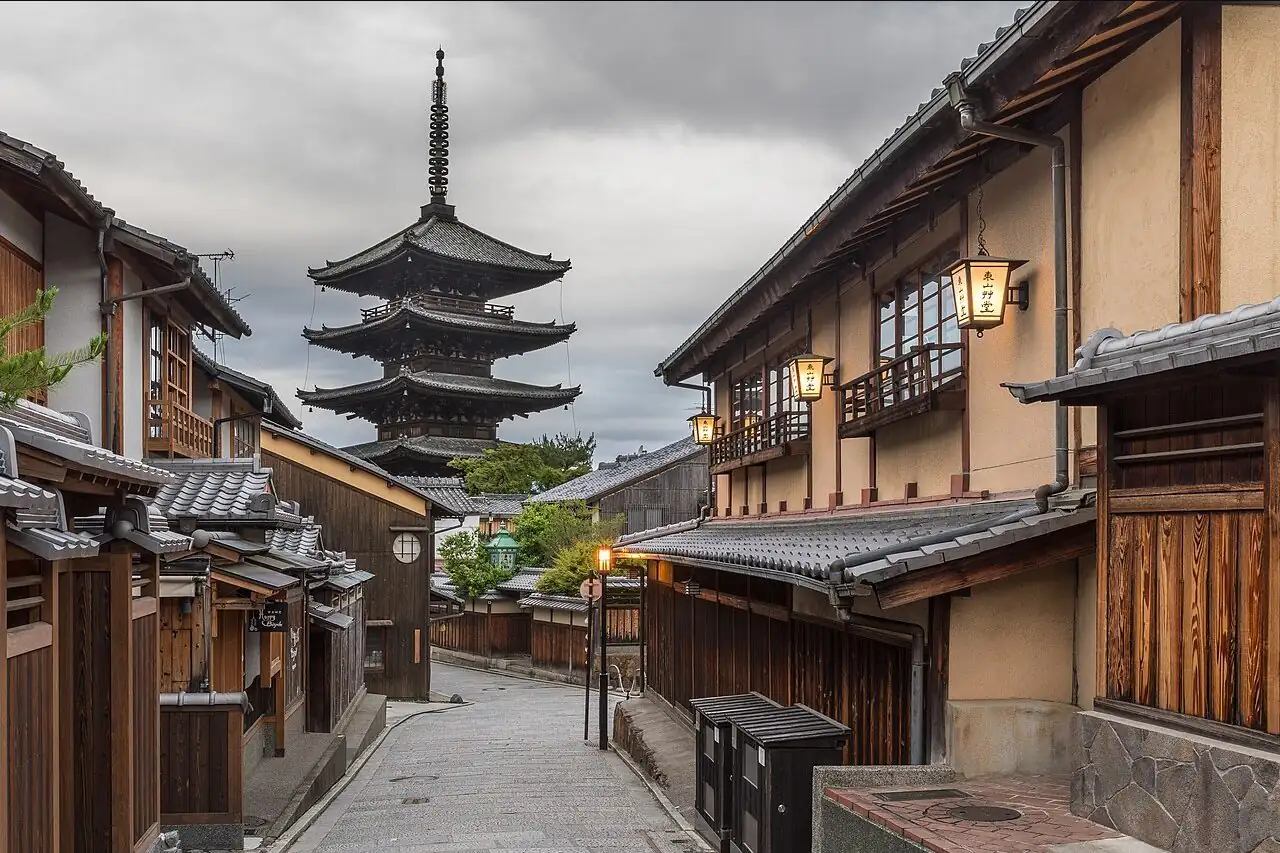
- Yasaka-dori and the Yasaka Pagoda in Kyoto, early morning: Basile Morin, CC BY-SA 4.0, via Wikimedia Commons
- A first-year classroom at Chokai Junior High School in Yurihonjo, Akita. JET places its ALTs in public schools like this one: Douglas P Perkins, CC BY 3.0, via Wikimedia Commons
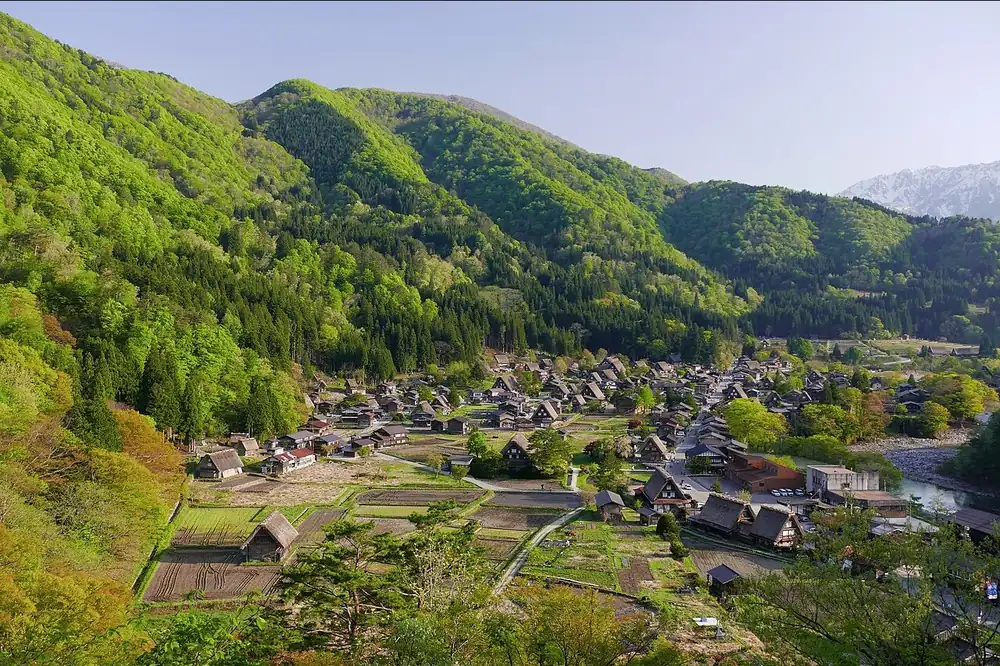
- Shirakawa-go in Gifu, the kind of small town a lot of ALTs end up in: MaedaAkihiko, CC BY-SA 4.0, via Wikimedia Commons
Get new jobs in Japan by email
One email a week with the jobs added since the last one. Free, with no account.
Nothing is sent until you open the link we email you. Choose a role, a pay level or daily emails
We use your address only to send the alerts you ask for, and every email has a one-click unsubscribe link. The privacy notice says how long we keep it, and the terms of use cover the alerts.
We check this guide again by February 1, 2027. Rules change, so confirm visa steps with the embassy and your school before you go. First published November 3, 2026. Spotted something out of date? Tell us. How we write these guides.